
Commercial Office Design Trends for 2026
Post-pandemic work has changed, and commercial office design is changing, too. If you are planning a move or refreshing your current space, keeping up with commercial office design trends 2026 can help you create an office that supports focus, collaboration, and comfort.
Modern corporate offices are not only about productivity. They are also about making employees feel as comfortable at work as they are when they are when they’re at home, while still giving your business a space that feels professional for clients and new hires.
Trend #1: Hot Desking
Hot desking (also known as “free desking”) isn’t exactly new, but it’s definitely heating up as we head into 2026, especially among hybrid workplaces where not everyone comes in five days a week.
The idea is simple: no one has a permanently assigned seat. Instead, employees pick whichever workstation is available. Maybe one person wants a bright spot by the window on Tuesday, then a quieter alcove on Wednesday. Hot desking lets you choose.
For companies with hybrid schedules, this approach can be a game-changer. Instead of keeping rows of empty desks for employees who aren’t in the office daily, businesses can “float” people to different areas, reduce overhead costs, and foster those unexpected interactions that spark creativity.
Some folks do worry that without a dedicated desk, things might feel impersonal. So let teammates personalize their environment with small touches (like mini-planters or their favorite coffee mug). You can also consider personal lockers or small “team zones” where people can keep a few familiar items.
Trend #2: Adaptable Workspaces
For years, open concept offices were hailed as the next big thing until employees realized just how noisy and distracting they could be.
Now, forward-thinking companies are shifting away from “all-open” or “all-private” approaches and instead
offering a variety of collaborative zones, quiet areas, and relaxed meeting spots.
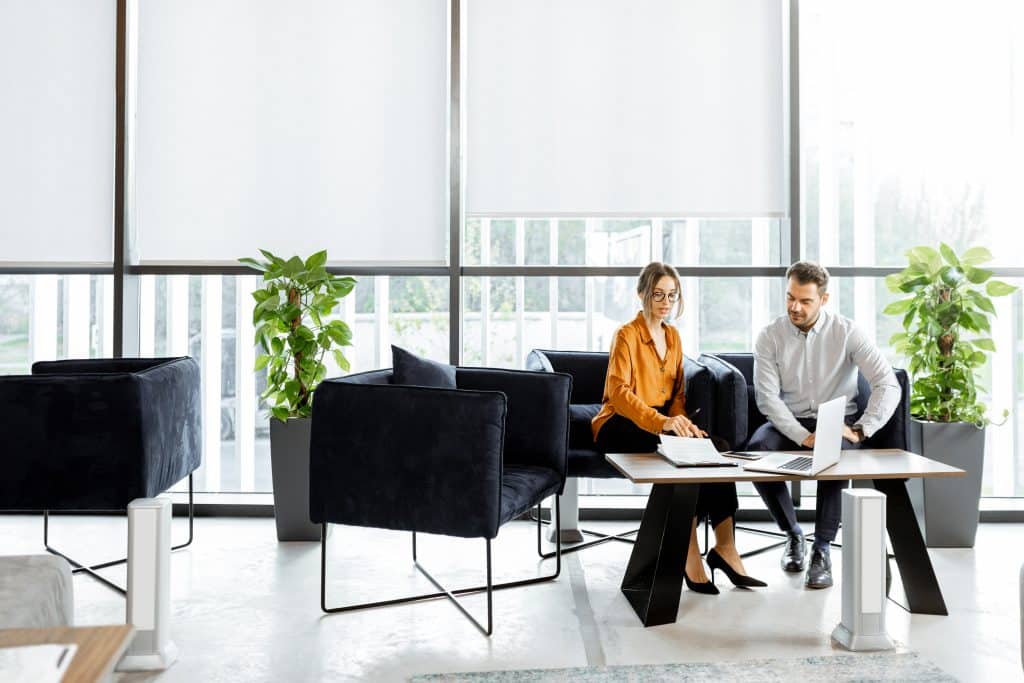
Think sofas and small tables for casual group huddles, enclosed nooks for heads-down focus, and flexible furniture arrangements that let people choose the space that suits them best in the moment.
Rather than sticking everyone in a bullpen or tucking each person away in a private office, today’s office layout aims to blend these extremes. One room might have movable partitions and comfy chairs for brainstorming, while another is a peaceful sanctuary for when you really need to concentrate.
By providing these multiple work “modes” in the same space, employees get the freedom to pick the environment that matches both their task at hand and their personal work style. Truly the best of both worlds.
Trend #3: AI-Integrated Workspace Design
In 2026, modern office layout trends increasingly include smarter, more responsive spaces. This does not have to mean anything futuristic or uncomfortable. It can be as simple as workplace tools that help people find open desks or book the right room faster, or systems that adjust lighting and temperature based on how a space is actually being used.
The goal is to remove friction and help the office support how your team already works. If you explore AI-enabled features, keep employee comfort and transparency front and center so the space feels helpful, not invasive.
Trend #4: Hybrid Meeting Room Configurations
Hybrid work is not going away, which means hybrid meetings are not going away either. In 2026, more offices are designing meeting rooms for “in-room and remote” by default.
A hybrid-ready room typically prioritizes:
- Clear audio (often the biggest issue)
- A camera that captures the room well
- A screen setup that keeps remote attendees visible
- Lighting that helps faces look natural on video
If your office runs a mix of quick check-ins and longer presentations, consider creating a couple of room types: smaller plug-and-play rooms for daily meetings, plus one larger room for training, client presentations, or all-hands calls.
Trend #5: Wellness-Focused Office Layouts
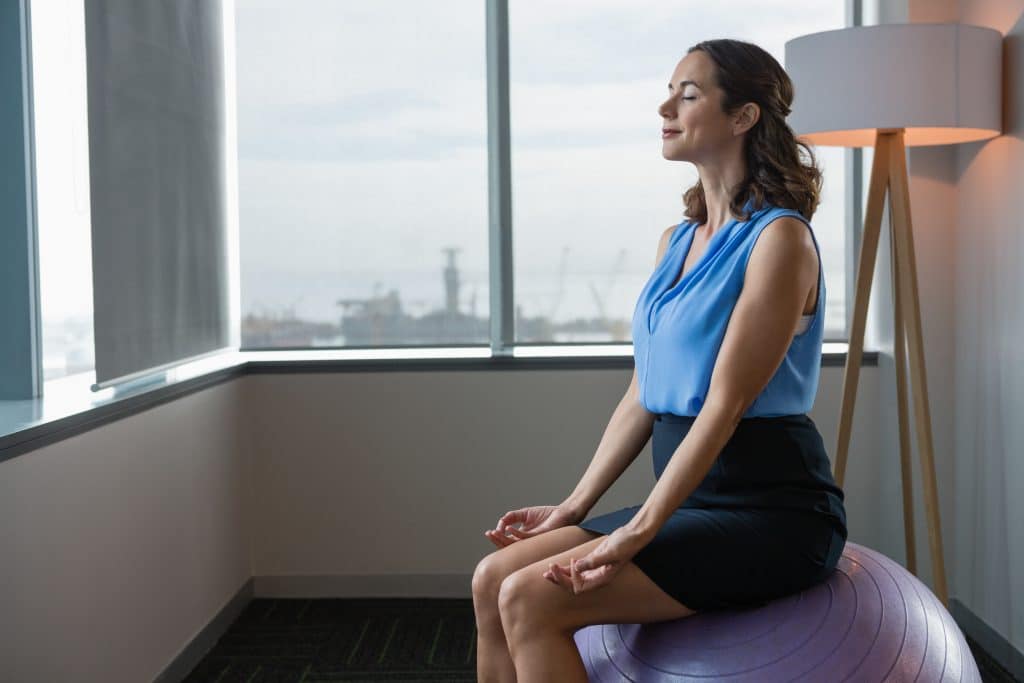
In a world where remote and hybrid setups remain popular, convincing employees to return to the office can be a hard sell. In 2026, modern office design continues to be about amenities and initiatives designed to boost health, happiness, and morale. We’re not just talking about a coffee pot in the break room anymore. Think full-on barista stations, ping pong tables, and even wellness rooms for yoga or meditation sessions.
The traditional office environment is making way for more ergonomic equipment, such as standing desks, supportive seating, and enhanced lighting. It’s a simple but impactful way to ease the transition from home to office, making onsite work feel less like a chore and more like a place employees actually want to be.
By prioritizing comfort and wellbeing, companies can transform the office into a space where people can thrive mentally, physically, and socially, all while staying productive.
Trend #6: Biophilic Design and Sustainability
Let’s face it: traditional offices aren’t exactly known for their eye-catching interiors or eco-friendly operations. That’s changing in 2026, with more companies integrating nature-inspired elements and planet-friendly materials throughout their workspaces.
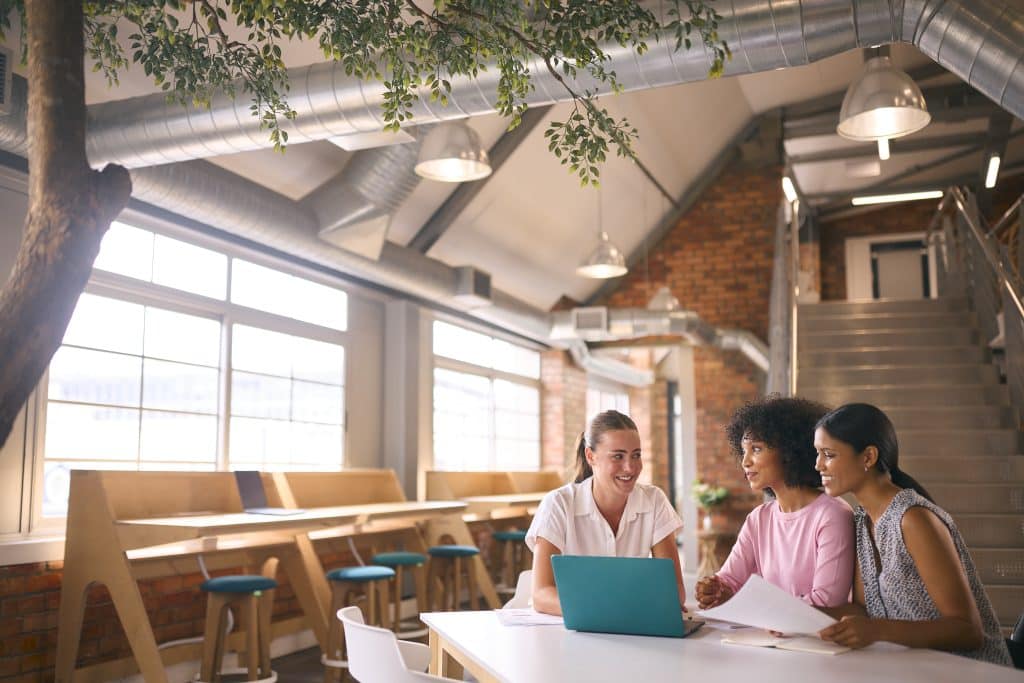
From adding lush greenery or living walls to choosing sustainably sourced furniture and energy-efficient lighting, these biophilic design choices not only look great but also support employee well-being.
By weaving plants, natural textures, and thoughtful color schemes into conference rooms or communal areas, employers can make the transition back to the office feel far more inviting. And when you pair these aesthetics with sustainable initiatives, like installing water-saving fixtures or using recycled building materials, you’re showing your team (and your clients) that you’re serious about creating a healthier, more responsible office environment.
In short, it’s a winning combination of style and substance that helps everyone thrive.
Trend #7: Maximizing Natural Lighting
One of the easiest ways to transform an office environment is by maximizing natural lighting. Sunlight not only cuts down on energy costs, but it also creates a sense of openness and positive energy that you just can’t replicate with a harsh overhead bulb.
Whenever possible, leave windows unobstructed, or install adjustable blinds so you can adjust lighting to match different times of the day. No more squinting into your screen at 2 PM.
If your space allows, consider adding skylights or glass partitions that let more sunshine spread throughout the office. Even rearranging furniture to avoid blocking windows can go a long way.
By turning natural light into a core design element, you invite an uplifting atmosphere that boosts both morale and productivity, making it a win-win for everyone.
How To Redesign An Office
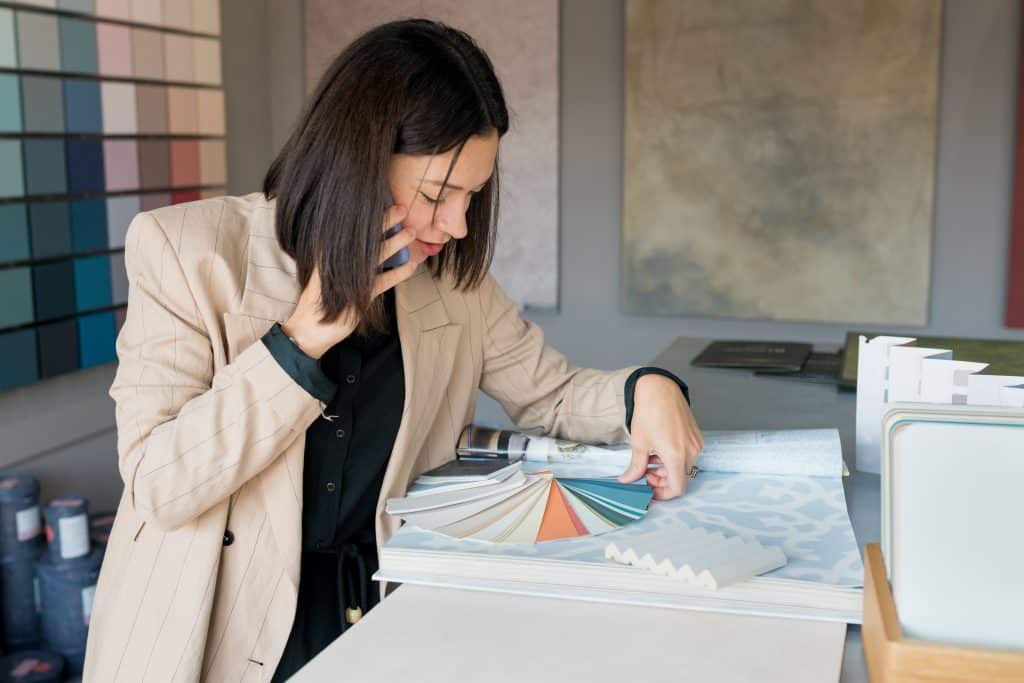
Inspired to redesign your commercial office space? Start by identifying the values that are most important to you and where your current office falls short. Do you need more spaces of collaboration? Or do your employees need more private spaces where they can work free of distractions?
Another pro tip? Ask your employees for input, especially if you’re trying to design a more employee-centric space. You may find that they don’t care about a game room but would prefer a well-equipped coffee station, better acoustics, or more quiet focus zones.
Next, look for a local interior design company that has worked with commercial spaces before. Even if you want your office to feel homey, there is a big difference in how commercial and residential spaces operate, and you don’t want to sacrifice productivity. Workplace designers know how to balance aesthetics with functionality.
Finally, be open to moving into a new space altogether. Plenty of businesses have found that the layouts and locations that worked well for them pre-pandemic are no longer appropriate for their 2026 team. Starting over fresh in a new space may be the perfect solution.
Quick redesign checklist:
- List the top 3 work modes your team needs most (focus, collaboration, client meetings, calls).
- Decide where hot desking makes sense, and where assigned seating still matters.
- Identify 1 to 2 rooms to upgrade for hybrid meetings first.
- Pick one wellness upgrade you can implement quickly (lighting, seating, quiet room, or break area).
- Map what can be rearranged in place versus what requires a move.
Let’s Get Moving!
Redesigning your work environment is fun, but it requires a lot of heavy lifting (literally). Thankfully, you don’t have to do it yourself.
Recruiting a local moving company to move and store furniture or pack your office equipment makes it much easier to rearrange your layout and create a space your employees will be proud to commute to.
And if you’re moving into an entirely new building, we can provide the muscle and the organization to ensure that nothing gets left behind. (Take a look at our Ultimate Office Move Checklist!)
Want help planning the move side of your redesign? Learn more about our commercial moving services.
Contact us today for a free quote.